
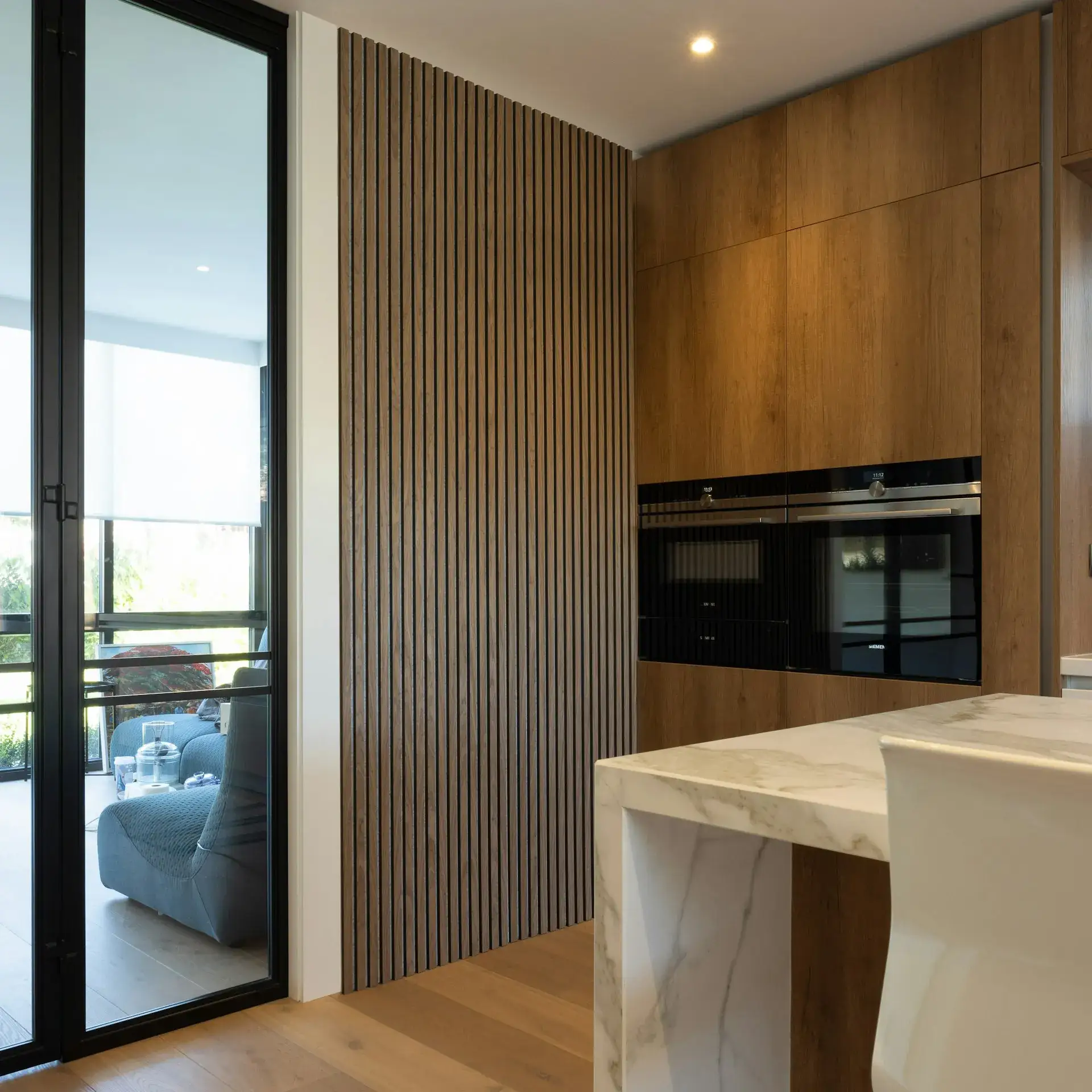
The choice between aluminium and timber for windows and doors is one of the most debated topics in Sydney home design. Both materials have genuine strengths, and the right choice depends on the property, the climate exposure, the budget, and how much ongoing maintenance you are prepared to commit to.
This guide provides an honest comparison to help you make the best decision for your project.
Durability in Sydney’s Climate
Sydney’s climate is a significant factor in how window and door materials perform over time. The combination of coastal salt air, UV exposure, humidity, summer heat, and occasional heavy rain puts building materials under real stress.
Aluminium
Aluminium is inherently resistant to corrosion. It does not rust, rot, or decay, even in the harshest coastal conditions. When finished with a quality powder coat, the surface is also resistant to UV degradation, chalking, and fading.
An aluminium window installed on a beachfront property in Bondi will maintain its structural integrity and appearance for decades without significant deterioration. The same applies to homes in humid western Sydney suburbs, where temperature swings and moisture levels can be extreme.
Timber
Timber is a natural material that responds to its environment. In Sydney’s climate, timber windows and doors can experience:
- Swelling and contraction as humidity levels change through the seasons, which can cause windows to stick, bind, or not close properly
- Rot and decay if moisture penetrates the timber, particularly around joints, sills, and the base of frames
- Termite vulnerability in areas where termites are active, which includes many parts of Sydney
- UV degradation of unprotected timber surfaces, leading to greying, cracking, and splintering
Quality hardwood timber frames can last a long time with proper care, but they are fundamentally more sensitive to Sydney’s climate than aluminium.
Maintenance Requirements
This is where the two materials differ most dramatically, and it is the factor that most often tips the decision.
Aluminium
Aluminium windows and doors are effectively maintenance-free. The powder-coat finish does not need repainting, and the frames can be cleaned with a damp cloth. The hardware should be lubricated occasionally, and the weather seals inspected periodically, but beyond that, aluminium requires very little attention.
For homeowners who want to install their windows and not think about them for years, aluminium is the clear choice. For property managers, body corporates, and developers managing large buildings, the near-zero maintenance profile of aluminium translates directly to lower lifecycle costs.
Timber
Timber windows and doors require regular maintenance to stay in good condition. This typically includes:
- Repainting or re-staining every 3 to 7 years, depending on the exposure and the quality of the finish. North and west-facing timber frames often need more frequent attention.
- Sanding and filling where cracks, chips, or surface damage appear
- Treating or replacing seals that have degraded due to timber movement
- Inspecting for rot at joints, corners, and sills where water can accumulate
- Termite inspections as part of a regular pest management program
For a single home, this maintenance is manageable if you are prepared to commit the time and budget. For a large home with dozens of windows, or a multi-unit building, the cumulative maintenance burden of timber becomes substantial.
Thermal Performance
Both materials can achieve good thermal performance, but the approach differs.
Aluminium
Standard aluminium is a good conductor of heat, which means a basic aluminium frame can allow heat to transfer through it. However, modern aluminium window systems address this with:
- Double glazing, which provides the primary thermal barrier through the sealed gas-filled glass unit
- Thermally improved frames that incorporate design features to reduce heat conduction through the aluminium itself
- Quality weather seals that minimise air leakage around the frame
For the majority of Sydney homes, aluminium windows with double glazing provide excellent thermal performance that meets or exceeds the requirements of most projects.
Timber
Timber is a natural insulator, which gives it an inherent thermal advantage at the frame level. A timber frame conducts less heat than a standard aluminium frame, which can contribute to better overall thermal performance.
However, this advantage is most significant in extreme cold climates. In Sydney’s moderate climate, the thermal benefit of timber framing is modest compared to the much larger contribution of the glazing itself. A double glazed aluminium window will typically outperform a single glazed timber window in real-world thermal performance.
Strength and Design Flexibility
Aluminium
Aluminium has an excellent strength-to-weight ratio. This allows frames to be made with slimmer profiles while still supporting large, heavy glass panels. The result is more glass area, more natural light, and cleaner sightlines.
Aluminium can also be extruded into precise and complex profiles, which gives designers and fabricators flexibility to create custom frame shapes, configurations, and multi-panel systems like bi-fold and stacking doors.
Timber
Timber frames are typically bulkier than aluminium to achieve the same structural performance. This means more frame and less glass in the opening, which can reduce the amount of natural light and the visual connection to the outdoors.
However, timber’s visual warmth and natural texture are qualities that aluminium cannot replicate. For homes where the material character of the window is an important part of the interior design, timber has a genuine aesthetic appeal.
Appearance and Style
Aluminium
Modern aluminium windows are available in a wide range of powder-coat colours and finishes, including matt black, white, grey, bronze, and various anodised-look options. The finish is consistent and durable, and it does not change appearance over time.
Aluminium suits contemporary, modern, industrial, and minimalist architectural styles. It can also be finished in colours that complement more traditional designs, though it will always look like aluminium rather than timber.
Timber
Timber has a natural warmth, grain pattern, and tactile quality that many homeowners find appealing. It suits heritage, Federation, Hamptons, and traditional architectural styles particularly well.
However, timber’s appearance changes over time. Unprotected timber weathers and greys, and painted timber requires regular recoating to maintain its look. The beautiful timber window you install today will need ongoing attention to stay that way.
Cost Comparison
Upfront Cost
Timber windows generally cost more than aluminium for comparable sizes and configurations. Quality hardwood timber frames, particularly from Australian species, are an expensive raw material, and the fabrication process is more labour-intensive.
Aluminium windows offer a more accessible price point, particularly at scale. For large projects with many openings, the cost difference between aluminium and timber can be significant.
Lifecycle Cost
When ongoing maintenance is factored in, the cost gap widens further in aluminium’s favour. Over 20 years, the cost of repainting, resealing, and repairing timber windows can equal or exceed the original purchase price. Aluminium windows require virtually no maintenance over the same period.
For a property investment or rental property where minimising ongoing costs is important, aluminium is almost always the more economical choice over the long term.
Environmental Considerations
Both materials have environmental credentials worth noting.
- Aluminium is one of the most recyclable materials available. It can be recycled indefinitely without losing quality, and the recycling process uses a fraction of the energy required to produce new aluminium.
- Timber is a renewable resource when sourced from sustainably managed forests. It stores carbon for the life of the product, and its production generally requires less energy than aluminium smelting.
Both materials can be part of an environmentally responsible building project when sourced and specified thoughtfully.
When to Choose Aluminium
- You want a low-maintenance solution that will last for decades without attention
- The property is in a coastal, humid, or termite-prone area
- The project involves multiple openings where cost efficiency and consistency matter
- You want slim frames with maximum glass area
- The architectural style is modern, contemporary, or minimalist
- You are building for investment, rental, or a multi-unit development
When to Choose Timber
- The aesthetic warmth and character of timber is central to the design
- The property is a heritage home where timber is part of the original character
- You are prepared to commit to regular maintenance over the life of the windows
- The budget allows for the higher upfront and ongoing costs
- The windows are sheltered from direct weather and sun exposure
The Hybrid Option
Some manufacturers offer composite or hybrid systems that combine a timber interior with an aluminium exterior. These aim to provide the aesthetic warmth of timber inside with the durability and low maintenance of aluminium outside. They are significantly more expensive than either pure aluminium or pure timber, but they can be a good compromise for specific applications.
Making the Right Choice for Your Sydney Project
For most Sydney homes and developments, aluminium offers the strongest combination of durability, low maintenance, design flexibility, and value. Timber has genuine appeal for heritage properties and design-focused homes where maintenance is not a concern, but the practical advantages of aluminium make it the default choice for the majority of projects.
If you are weighing up your options for a new build, renovation, or development in Sydney, contact Aluverse to discuss your project or request a quote for custom aluminium windows and doors fabricated to your specifications.